Showing posts with label Local Food (Pittsburgh). Show all posts

Friday, December 21, 2012

Eating local during winter in Pittsburgh

Even though winter is officially here and Pittsburgh is covered with snow, there are plenty of options for eating local. Many farmers in the region have products available all year long. Here are some resources for finding locally grown food in the city during the winter months:
  • Green Circle Farm has a weekly delivery all winter to Carnegie, Oakland, Squirrel Hill, Point Breeze, Churchill, Highland Park, Fox Chapel, the North Side, and Sewickley. Contact Erika on the website and she'll send you a weekly email of the products she has available. 
  • Penn Corner's Farm Alliance has a biweekly delivery year-round to Squirrel Hill, Mt. Lebanon, Lawrenceville or the North Side. You can use their website to shop online for groceries, and they'll deliver your order to your selected location.
  • The East End Food Coop in Point Breeze/Homewood sells products from local farmers at the store every day all year.
The Pittsburgh Public Market also hosts a number of famers all year.  Check out their vendor schedule so you don't miss your favorite farmer:
    Winter in Pittsburgh =
    Pets wearing Steelers paraphernalia
    (yes, this is my dog)
  • Clarion River Oraganics sells their produce and cheeses at the Pittsburgh Public Market.

Wednesday, November 14, 2012

Studies Examine Pros and Cons of Eating Organic


The American Academy of Pediatrics (AAP) recently reported that families should eat a healthy diet with plenty of fruits and vegetables, whole grains, and low-fat dairy products regardless of organic certification. Based on a number of previously published research studies, the report suggested that there is no conclusive evidence that organic foods are more nutritious than conventionally grown foods.

However, buying organic is beneficial.  The AAP report cited other studies that found that organic growers produce less waste and use less energy than conventional farmers.  Organic farms also do not use synthetic pesticides that are harmful to the environment and people. Farm worker’s chronic exposure to pesticides has been associated with cancer, depression, memory disorders, respiratory problems, Parkinson’s disease, miscarriages and birth defects. The AAP report states that an organic diet can reduce exposure to pesticides.

The Environmental Working Group (EWG), a non-profit organization dedicated to protecting public and environmental health, recently published their findings on pesticides in conventionally grown fruits and vegetables. Before testing, they prepared the produce as it is typically eaten (e.g. they washed peppers or peeled bananas). They analyzed 60,700 samples from 45 common fruits and vegetables and listed the most and least contaminated.

The EWG found that the most contaminated fruits and vegetables are: apples, celery, sweet bell peppers, peaches, strawberries, imported nectarines, grapes, spinach, lettuce, cucumbers, blueberries, potatoes, green beans and leafy greens.  The study found 88 different kinds of pesticides on sweet bell peppers, up to 15 on just one bell pepper.  100 percent of imported nectarines and 98 percent of apples tested contained pesticides. They also found neurotoxic insecticides on bell peppers, imported nectarines, green beans, collard greens and kale.

The fruits and vegetables lowest in pesticides according to the EWG study are: onions, sweet corn, pineapples, avocados, cabbages, sweet peas, asparagus, mangos, eggplant, kiwi, domestic cantaloupe, and sweet potatoes.  Of these, no single sample had more than 5 different pesticides present.  Only 10 percent of pineapples, 22 percent of mangos and 25 percent of kiwis tested positive for pesticides.

Although pesticides harm farm workers and laboratory animals, it is not clear that pesticides in the diet pose a health risk. As a result, the EWG and the AAP agree that eating conventionally grown fruits and vegetables is far better for your health than the consequences of avoiding them.  Organic food typically costs between 10 and 40 percent more than conventionally grown food, so buying organic can be cost prohibitive for some families. However, a growing number of Pittsburgh markets are accessible to low-income individuals.

The East End Co-op offers a 10% discount for those using Supplemental Nutrition Assistance Program (SNAP) benefits. The Citipark farmers’ markets at seven locations in Pittsburgh accepts SNAP and are open until November 21st. Farmers@Firehouse farmers’ market in the Strip District also accepts SNAP, they are open on Saturdays until November 17th. Clarion River Organics is offering a 25% discount to people paying with SNAP that want to sign up for their community supported agriculture (CSA) program. Mott Family Farm offers a 10% discount to students with a student ID.

Buying organic is good for the environment and may have health benefits by reducing pesticide exposure, but it is important to eat plenty of fruits and vegetables no matter where they come from.

Monday, October 8, 2012

Farm to Table Harvest Tasting

On November 10th from 3-7pm Farm to Table Pittsburgh is hosting a Local Food Harvest Tasting. Tickets are $20 if you buy in advance or $30 at the door.  A bunch of local restaurants, farms and bakeries will be serving food, including Mediterra Bakehouse and Clarion River Organics. Great local breweries will be there too, including East End Brewery, Great Lakes Brewery, and Full Pint Brewery.

Tuesday, August 21, 2012

Dinner with the Farm Kings

Yesterday I had dinner hosted by the stars of an upcoming reality TV shoFarm Kings.  The King family includes 9 sons, 1 daughter (Elizabeth) and their mom (Lisa). The 3 oldest sons, Joe, Tim and Pete, own Freedom Farms and the reality show will feature the family as they try to make their living as farmers. This reality show is a great way for people to learn more about where their food comes from and encourage people to support local farmers.

The King family hosted dinner at their new store; The Market @ New Ken. I was joined by writers from Patch, Pittsburgh Magazine and EatPGH. We sat at a table in the middle of their pristine store around lovely centerpieces of fresh cut flowers from the farm. Lisa and Elizabeth cooked dinner, with contributions from Joe.  Pete and Tim served the dinner and ate with us when they weren't helping in the kitchen.

The first course was a salad of baby spinach and nectarines sprinkled with blue cheese and walnuts and topped with a sesame dressing.  On the side of the salad was a mini tomato basil pie, which was my favorite part of the meal.  The pie crust was flaky and rich, and the tomatoes and basil were smothered with cheese, which made the pie rich and savory.  The second course featured half of a chicken with a wonderfully crispy skin, but a suberbly moist interior. The chicken was paired with a side of ratatouille and mashed potatoes.  For dessert we were served a hearty slice of apple pie with a side of chantilly cream and creamy brown sugar sauce.  I was impressed with how much the apple slices had absorbed a cinnamon flavor while maintaining a crisp texture.

The King family was warm and outgoing and I really enjoyed their company.  I had a great chat with Lisa about canning, and with Pete about heritage chicken breeds.  Despite the self-consciousness I experienced while being filmed eating, I had a very enjoyable evening.  I felt energized and hopeful about the awareness Farm Kings will bring to local farmers.  Eating food produced by people we can actually meet helps us appreciate the food that takes so much effort for people like the Kings to produce.  Fresh local food is also so beneficial for our bodies, our local economies and for small farm families.  I hope this reality show will encourage more people to start eating local!


Saturday, August 18, 2012

Locavore Friendly Restaurants in Pittsburgh

Dinner at Legume Bistro
I am thrilled to see that Pittsburgh resaturants are embracing the local food movement.  Although I don't eat out often, I am more frequently seeing menu items sourced from local farms.  One of my favorite resaturants in Pittsburgh is Legume Bistro (featured in the photo). Every time I've been to Legume the menu is different and includes a variety of local seasonal foods, and every choice is delicious. I also had a fantastic meal at Root 174which sources locally.  I had perfectly done local lamb at Casbah.  Yesterday I had a delicious four course dinner at Toast! which sources from One Woman Farm and Crested Duck Charcuterie.  I also highly recommend trying the Crested Duck Charcuterie; they make phenomenal cured meats sourced locally. Other restaurants that I have not yet had the opportunity to try that source from local farms include:


Friday, August 17, 2012

Mott Family Farm Dinner in the Fields


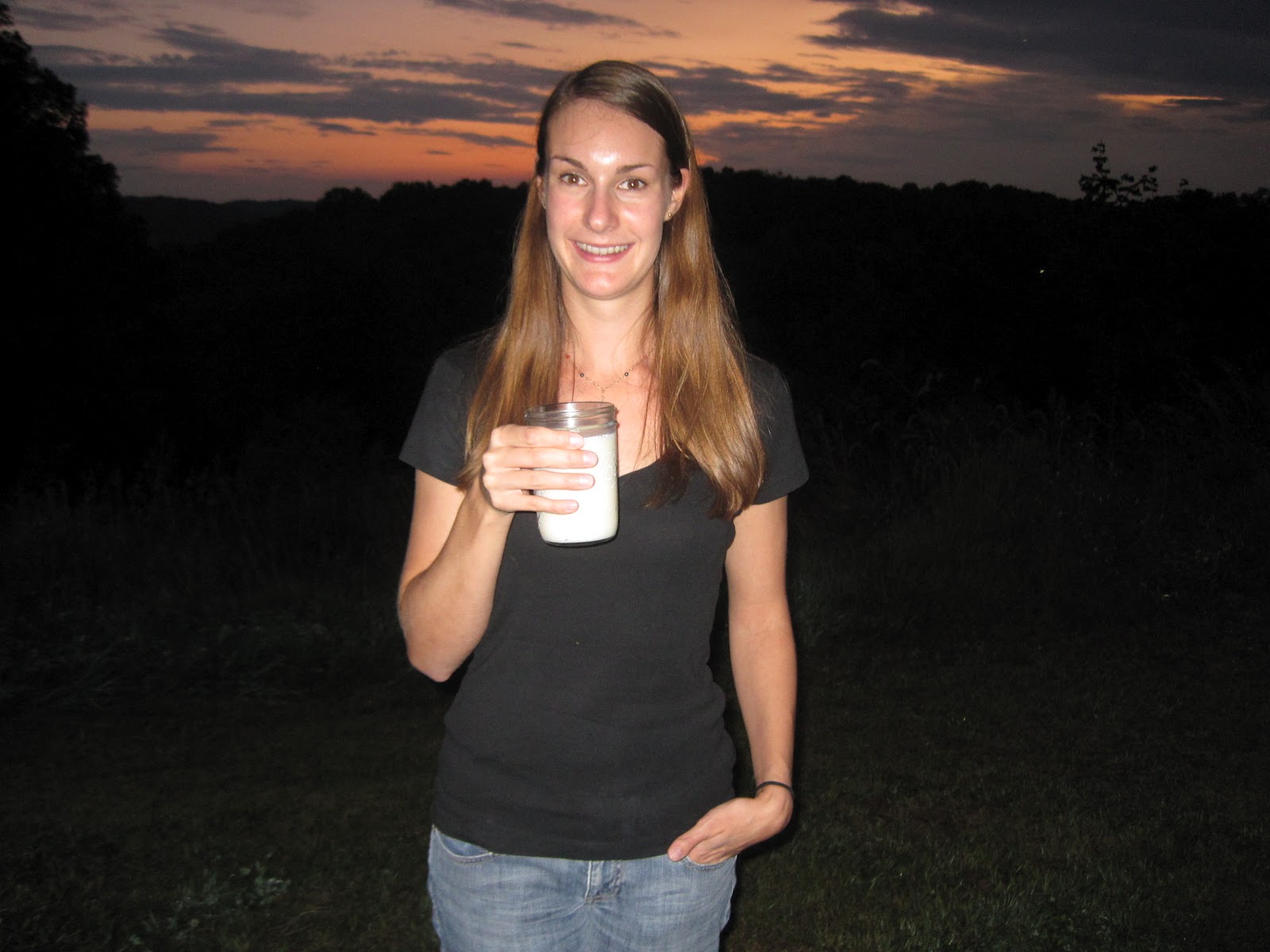
I received a great suggestion that I start writing about my experiences at local farms.  I love knowing where my food is coming from, so I like to take opportunities to visit local farmers. Last year I had a wonderful evening at the Mott Family Farm Dinner in the Fields. They hired a professional chef to prepare a many course meal for about 30 people.  I enjoyed local cheeses and fresh heirloom tomatoes, artisan bread and homemade butter, an incredible squash soup, beet salad, tender grass-fed meat atop turnip puree with braised arugla, and dessert.  Everyone sat at a long table and I met lots of people who shared many similar interests.  We talked about what we do with all the extra veggies we get from our CSAs, brewing our own beer, making bread, and our excitement that the locavore movement is gaining so much momentum.  The guests also had opportunities to explore the farm.  Before dinner I milked an adorable blonde jersey cow and enjoyed the milk while it was still warm (it was amazing- that’s what I’m holding in the picture)! After dinner I wandered around the fields, snacking on the many varieties of heirloom vegetables as I went.  I had a great time, and I highly recommend visiting local farms and enjoying a meal of the season's bounty.  Here is the link for upcoming Mott Family Farm events (including their dinner party):

http://mottfamilyfarm.com/events-for-2012

In November local farms are bringing their food to the city of Pittsburgh 
in this Farm to Table Harvest Tasting:

Thursday, June 9, 2011

Unexpected Health Benefits of Eating Local


My cholesterol levels changed for the better!  Since my cholesterol tends to run a little high I get checked every year.  In the past my bad cholesterol (low density lipoprotein) tends to be a little high and my good cholesterol (high density lipoprotein) has been low (as you can see below in 2010).  This year when I got tested I was pleasantly surprised to see that my numbers have reversed.  My good cholesterol went way up and my bad cholesterol went way down and now I'm back in the normal range.  Since my exercise habits have not changed dramatically I think the difference can be attributed to the local food I've been eating.


Name
Standard Range
2/17/2010
5/19/2011
Low Density Lipoprotein
<129- mg/dL
126
96
High Density Lipoprotein
>59- mg/dL
58 L
79
Cholesterol
<200- mg/dL
201 H
197


Saturday, April 2, 2011

Irish Corned Beef and Cabbage

In celebration of St. Patty's day I made some homemade corned beef and vegetables. They turned out fantastic! I followed this receipe to the t, and it was perfect.


I bought the brisket from Horizon View Farms at the Pittsburgh Public Market. I got a rutebega from a farmer's market when I was visiting Philadelphia. The potatoes and carrots came from the Penn's Corner Farm Alliance monthly farm stand. I bought the cabbage and turnips from Clarion River Organics, also at the Pittsburgh Public Market. I highly recommend this dish for next St. Patty's day or anytime you want to get in touch with your Irish side.

Saturday, July 31, 2010

Heirloom Tomatoes

This week at the Phipps farmers market there were some fantastic heirloom tomato varieties.  There were black tomatoes, yellow tomatoes, yellow with red stripes tomatoes, a green one they called "green zebra" and a peach tomato (that is actually fuzzy)!  After trying them all, the peach tomato is definitely my favorite.  I'm going to have to buy some peach tomato seeds for next years garden.  The Seed Savers Exchange has a great catalog for heirloom vegetables.  I highly recommend checking out their catalog, you won't believe all the varieties of vegetables there are (and members have access to even more)!
Green Zebra and Peach tomato

Thursday, June 3, 2010

The local food adventure begins!

Tonight is the start of our local food year!  We got our farm share this evening, which included spinach, lettuce, onions, asparagus, eggs, bread, jam, and a basil plant.  For our first meal I made a sauce of local spinach, homemade chevre (goat cheese), onions, and butter, served on top of homemade pasta, that I made with local eggs.  The only non-local ingredients were a little bit of chicken, sun-dried tomatoes, olive oil, italian herb seasoning, and the flour to make the pasta dough.  I had frozen the pasta from a large batch I made a few weeks ago- so the meal only took me about 20 minutes to make.  So far eating local is easy and tasty!

Wednesday, June 2, 2010

Local Vinegar!

Today was the first day of the Farmer's Market at Phipps Conservatory.  I love this market because it has a great variety of meats, cheese, honey, eggs, and veggies.  And today I discovered another special item: local vinegar!  Not only was it local, it was the best vinegar Mark or I have ever had!  It was made by Sonshine Farm.  The farmer said the secret was the "mother".  I had no idea what she meant, and I didn't want to sound like I didn't know anything about where my food comes from, so I just asked wikipedia:


Mother of vinegar is a substance composed of a form of cellulose and acetic acid bacteria that develops on fermenting alcoholic liquids, which turns alcohol into acetic acid with the help of oxygen in the air.  It is added to wine, cider or other alcoholic liquids to produce vinegar.


I'm very excited to be learning more about where (and how) food is made.  And I've got some fantastic local vinegar!

Thursday, April 22, 2010

The Demon in the Milk

I recently found out that the raw (unpasturized) milk Mark and I have been drinking may have been contaminated with campylobacter bacteria.  If we were exposed to it, it didn't have much of an affect, lucky for us.  Unfortunately another family wasn't so lucky.  The Pittsburgh Tribune reported on their story:

http://www.pittsburghlive.com/x/pittsburghtrib/news/pittsburgh/s_677255.html

It's very sad that that happened to Mr. Orchard, however, I really don't think they should be suing the farmer.  There are known risks from drinking unpasturized milk, and there is a warning label letting the consumer know about these risks.  I really hope that the state doesn't decide to make selling raw milk illegal based on this event.  I believe we should still have the right to choose to buy unpasturized milk (although I probably won't be buying it again for a while).  But hey, what doesn't kill you makes you stronger, right?

Saturday, April 17, 2010

The Future of Food

I just watched a terrifying documentary called "The Future of Food".  It discussed issues with current big business farming practices; including monocultures (which are destroying biodiversity) and genetically modified (GM) foods.  GM food, primarily corn, soybeans and canola, are becoming incorporated into farmers fields, even without their knowledge or consent.  And because the GM foods are patented, the companies creating them can sue (and win) against farmers for having the plants of their property, even if they did not want them there.  Not only that, but no safety tests have been done on GM foods, and the United States is one of the few countries that does not require foods that contain GM foods to be labeled (because the companies that sell them pay lobbyists big bucks to prevent this).  And now that corn is in pretty much everything at the supermarket (juice, yogurt, peanut butter, salad dressing, etc.) in the form of high fructose corn syrup we could be in trouble. Luckily, organic certification requires that food not contain GM products, so there's some assurance there.  Now that I am throughly afraid for the future of farming, I am happy that I will soon be supporting local small farmers who grow sustainably.

Friday, April 16, 2010

what's a locavore??

With encouragement from my friends I have decided to start a blog about my year-long local food adventure (with my husband).  I'm obviously not the first to take on this challenge, but I may be the first "low income" household to write about it.  My husband and I currently make a combined income of about $25,000 a year.  We are both students, so money is tight.  I often hear people say things like "it's too expensive to buy healthy food".  I'd like to show that it's not expensive, and support local farms in the process.  I have many reasons for choosing to eat local, which I will share over the next year.

According to Wikipedia: A locavore is someone who eats food grown or produced locally or within a certain radius such as 50, 100, or 150 miles (240 km).

I will define local as within 150 miles from Pittsburgh, and at least 80% of what I spend on food will be local.  Since I'm going to be doing this for a whole year there will be the added challenge of preserving food for the winter.  To do this I bought a chest freezer to save fruits, veggies and meat through the winter. Maybe I'll even venture into canning... we'll see.

I will begin on 6/1/10- when my community supported agriculture (CSA) program starts.  In the meantime I need to eat all the non-local food I have in the house, and find local farms that will supply me for the next year.

I'm looking forward to the upcoming challenge!